Jaffna and the north: a different Sri Lanka
Hindu temples, Tamil food, palmyra palms and quiet islands – a part of Sri Lanka few visitors see.
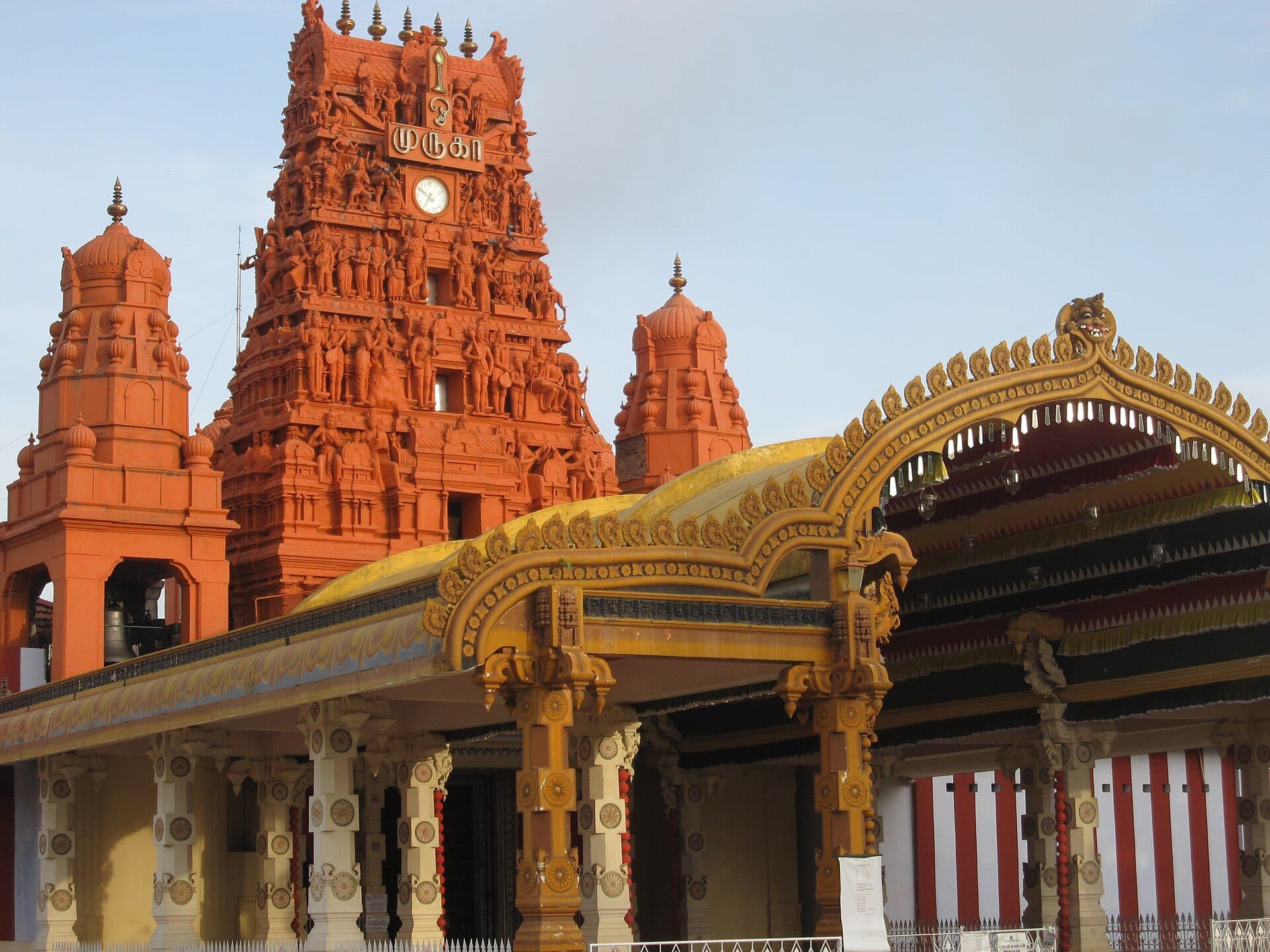
The north of Sri Lanka feels different from the rest of the island. The Jaffna peninsula is flat and dry, dotted with palmyra palms, and its culture is Tamil and mostly Hindu. After many years in which the region was hard to reach during the civil war, which ended in 2009, Jaffna is now open, safe to visit and still quiet.
What to see
Nallur Kandaswamy Kovil. Jaffna’s most important Hindu temple, with a golden gate tower. Men remove their shirts before entering, and everyone removes their shoes. The daily pujas, with music and fire, are worth seeing.
Jaffna Fort. A large star-shaped fort built by the Portuguese and rebuilt by the Dutch, on the edge of the lagoon.
Jaffna Public Library. Rebuilt after it was burned in 1981, a symbol of the city’s recovery.
The islands. Causeways and short ferry rides lead to the islands off the peninsula. Delft has wild ponies, coral-stone walls and a giant baobab tree. Nainativu has an important Hindu temple and a Buddhist shrine.
Food. Jaffna is known for its spicy crab curry, odiyal kool (a seafood soup), and fresh mangoes in season.
How many days?
Two to three nights. Jaffna is about four hours by road from Anuradhapura, so it fits well before or after the Cultural Triangle.
Best time to visit
February to September is usually dry. October to December is the rainy season in the north.
Round trips that go here
Want to see this yourself?
Tell us your dates and what you like. Ravindu or one of our team will send you a personal route and price, usually within 24 hours.
Private round trips from US$700 per person for 7 days