Is Sri Lanka safe to travel in 2026? An honest answer from a local team
Yes, with normal care. Official advice, Ditwah, scams, roads, health and emergency numbers, checked October 2026.
Updated: 18 October 2026, 7 min read
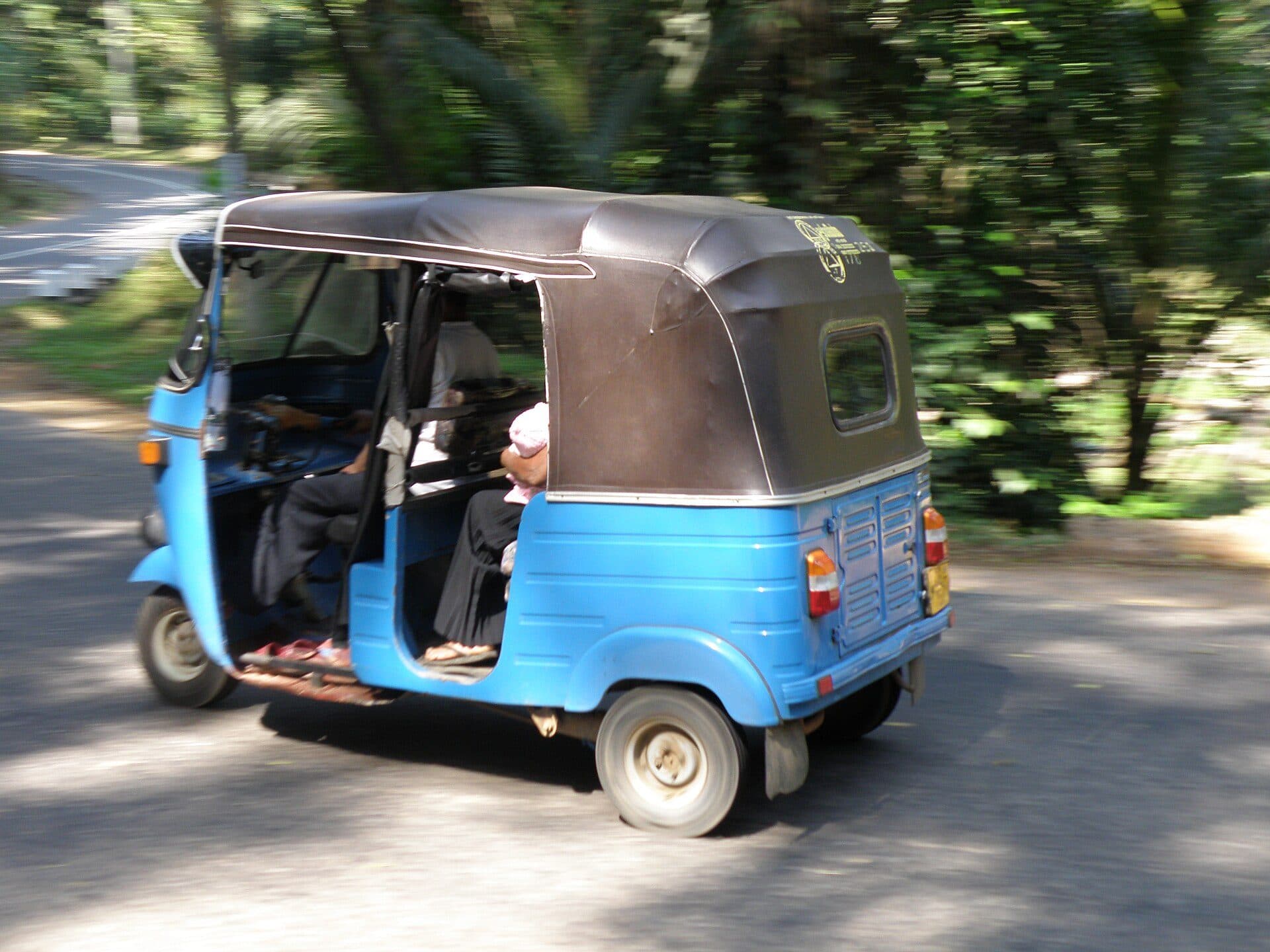
Short answer (checked 18 October 2026): yes. Sri Lanka is a safe country for travellers who take normal care, and neither the German Foreign Office nor the UK government advises against travel to any part of the island. The real risks are everyday ones: traffic, dengue, strong sea currents and petty scams. In 2026, also plan around a fuel quota and the last effects of Cyclone Ditwah.
What do the German and UK governments say?
- German Foreign Office (Auswärtiges Amt): no travel warning. Its advice (as of 18 October 2026) asks for increased caution and strongly advises against renting a car or tuk-tuk without a local driver: after an accident, foreigners can be banned from leaving the country for weeks or months.
- UK Foreign Office (FCDO): no area where it advises against travel (updated 21 September 2026). It warns of floods and landslides, bag snatching, card fraud and drink spiking.
Official pages: Auswärtiges Amt and GOV.UK. Entry rules are in our visa and ETA guide.
Sri Lanka in 2026: politics, economy and fuel
Since the 2022 economic crisis, public order has been stable. The government elected in 2024 has a large majority, and the German Foreign Office says local protests have become less frequent. Avoid demonstrations, as anywhere.
The 2026 conflict in the Middle East has side effects here, although Sri Lanka is not directly involved:
- Fuel quota: since mid-March 2026, each vehicle gets a weekly fuel quota; registered tourism vehicles have a priority system. In early October 2026 there were queues at filling stations again. It matters most if you want to rent a scooter.
- Power and medicines: the German Foreign Office warns of possible power cuts and short-term shortages, including medicines. Bring enough of your own medication for the whole trip plus a few days.
- Flights: some connections via Gulf hubs have been cancelled or delayed. Check your flight before you leave.
Cyclone Ditwah: what is still affected?
Cyclone Ditwah hit Sri Lanka at the end of November 2025. Floods and landslides killed more than 640 people, most of them in the hill districts of Kandy, Badulla and Nuwara Eliya. The coasts were barely affected, and by early December 2025 the main roads to the tourist areas were open again. As of October 2026:
- Rail: Nanu Oya–Ella–Badulla has run again since June 2026, and Colombo–Peradeniya (just before Kandy) since 2 October 2026. Kandy–Nanu Oya is still closed; see the train to Ella.
- Roads: some smaller roads and bridges in the hills are still being rebuilt, and you may cross temporary steel bridges.
- Rain: October and November bring heavy inter-monsoon rain, and in early October 2026 landslide warnings were in force for several districts. On such days your driver may change the route or wait.
Crime and common scams
Violent crime against tourists is rare. Most problems are petty: bags snatched from passing motorbikes, pickpockets on trains and buses, skimmed cards at street ATMs and spiked drinks. Keep valuables in the hotel safe, use ATMs inside banks and never leave a drink alone.
- Tuk-tuk overcharging: agree the price first, or use a metered tuk-tuk or the PickMe or Uber apps in Colombo and other larger towns.
- Gem deals: a friendly stranger promises a bargain. Buy gems only from dealers licensed by the National Gem and Jewellery Authority, with an independent lab certificate, or not at all.
- Unlicensed guides: touts at big sites offer to show you around. Licensed guides are registered with Sri Lanka Tourism (SLTDA) and can show their licence.
Why road safety is the biggest risk
Traffic is the main danger in Sri Lanka. Police figures reported in the press show about 2,700 road deaths in 2025, roughly seven a day. Buses overtake hard, hill roads are narrow, and dogs, cows and sometimes elephants share the road. Outside towns, avoid driving after dark.
That is why most visitors travel with a local driver. He knows the roads and the unwritten rules, and you are a passenger, not the person held responsible after an accident. We keep most driving days to two to four hours, mostly in daylight; see car with driver.
Health: dengue, food, dogs and doctors
- Dengue: 2026 is a bad dengue year, with more than 100,000 cases by early October, about half of them in the Western Province around Colombo and Gampaha. The mosquitoes bite by day: use repellent, wear long, light clothes and see a doctor if you get a fever.
- Food and water: drink bottled or filtered water, and eat freshly cooked food. Ask a travel clinic about hepatitis A and typhoid vaccines.
- Sun: near the equator you burn fast; wear a hat.
- Dogs and rabies: rabies exists, so don't touch dogs or monkeys. After any bite or scratch, wash the wound with soap and water and go to a hospital the same day. Ask your doctor about rabies vaccination before you go.
- Medical care: Colombo, Kandy and Galle have private hospitals. In rural areas care is basic, and serious cases go to Colombo. Hospitals often ask for a credit card before treatment.
- Insurance: take travel health insurance that covers treatment and medical evacuation.
Sea safety: currents and monsoons
Many beaches have strong currents and rip tides, and lifeguards are rare. The sea is roughest where the monsoon blows: the west and south from about May to September, the east from about November to February. Swim only where your hotel says it is safe, never alone or after drinking, and not in rivers or lagoons, where crocodiles live. Our best beaches by season shows where the sea is calm in which month.
Wildlife: elephants on the road and safari rules
- Wild elephants cross roads near national parks, for example around Udawalawe and Habarana and on the Buttala–Kataragama road near Yala. Stay in the car, keep your distance and never feed them; the wildlife department has warned of legal action against people who do.
- On safari, stay inside the jeep and ask the jeep driver not to chase animals. In Yala, only registered jeeps with licensed drivers may enter.
Women and solo travellers
Many women travel alone in Sri Lanka without problems, but harassment happens: mostly staring and comments, sometimes groping in crowded buses and trains. Both governments report occasional assaults on women travelling alone, also in tourist areas.
- Dress modestly away from the beach.
- At night, use a known driver or an app taxi, not a tuk-tuk from the street.
- Choose well-reviewed places to stay; crime is more common in very cheap accommodation.
- The women's helpline 1938 is free and open 24 hours.
Solo travellers should share their plans with someone at home. Everyone should carry their passport or a copy; the police can ask for it.
Temples and Buddha images: rules that matter
Some of these rules are enforced by the police, with fines or even arrest:
- Cover shoulders and knees at temples, and take off shoes and hats.
- Never pose with your back to a Buddha statue, and never touch or climb on statues.
- Cover any tattoo showing the Buddha. The UK government warns it can lead to refused entry or deportation.
- Don't photograph the Sigiriya frescoes or military sites.
Emergency numbers in Sri Lanka
| Service | Number |
|---|---|
| Police emergency | 119 (or 118) |
| Ambulance (1990 Suwa Seriya) | 1990 |
| Tourist Police, Colombo | +94 11 242 1052 |
| Sri Lanka Tourism hotline, 24 hours | 1912 |
| Women's helpline, 24 hours | 1938 |
| National Hospital Colombo, accident service | +94 11 269 1111 |
Checked October 2026 with the UK FCDO and the German Foreign Office. For everyday advice, read our practical tips and 12 things to know before your first trip.
Want to see this yourself?
Tell us your dates and what you like. Ravindu or one of our team will send you a personal route and price, usually within 24 hours.
Private round trips from US$700 per person for 7 days
FAQ
Is Sri Lanka safe to visit right now?
Yes. As of 18 October 2026, neither the German nor the UK government advises against travel to any part of Sri Lanka.
Is it safe to travel to Sri Lanka after Cyclone Ditwah?
Yes. The coasts, the Cultural Triangle and the main roads into the hills are open. The railway between Kandy and Nanu Oya is still closed (October 2026).
Is Sri Lanka safe for women travelling alone?
Generally yes, with care. Dress modestly away from the beach, avoid street tuk-tuks alone at night and choose well-reviewed accommodation.
Can I rent a car and drive myself in Sri Lanka?
You can with the right permit, but the German Foreign Office strongly advises against renting a vehicle without a local driver. After an accident, foreigners can be banned from leaving the country for months.